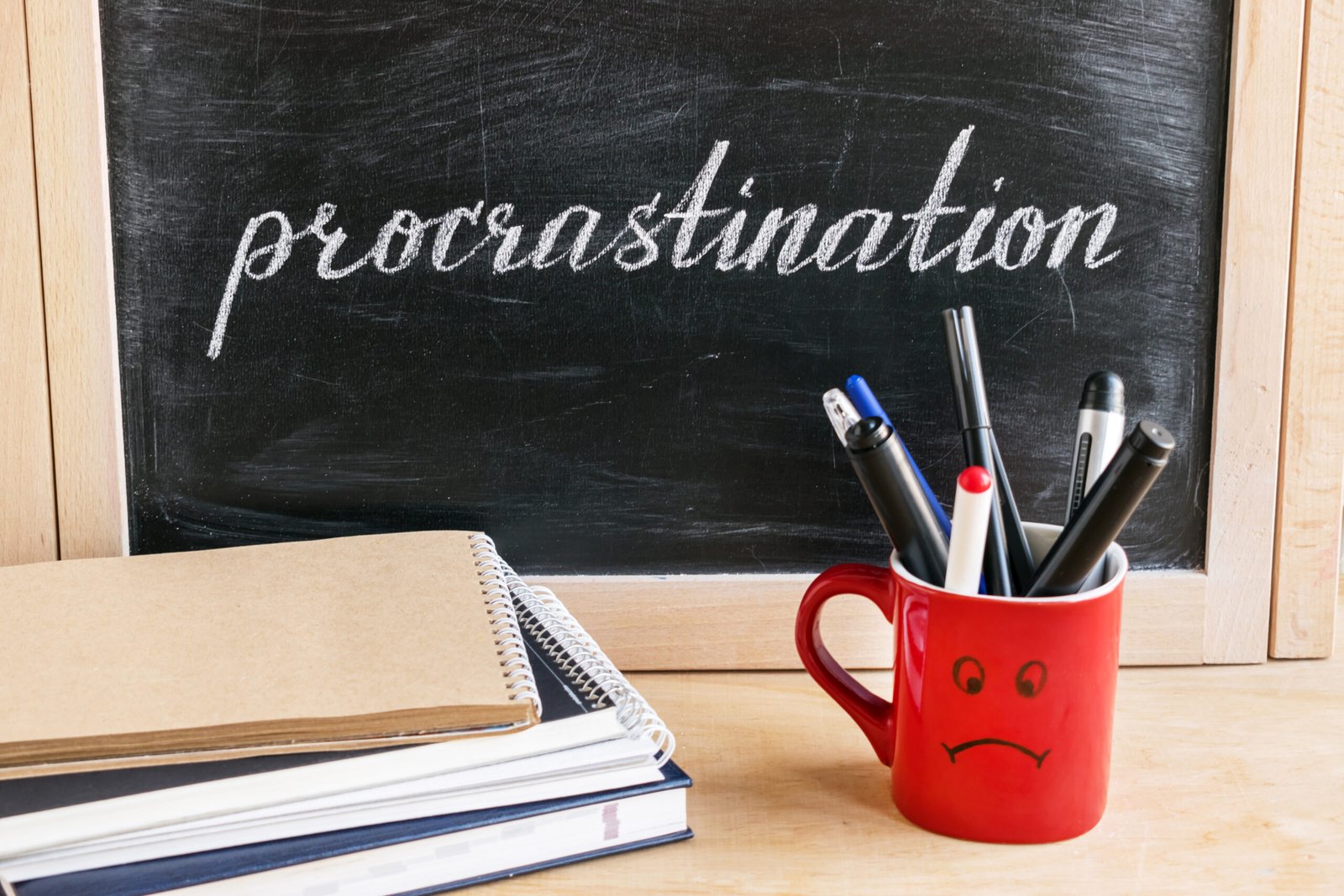
You know you need to start your homework.
But instead, you:
- Check your phone
- Grab a snack
- Watch one video
- Scroll for “just a few minutes”
- Tell yourself you’ll start soon
And suddenly, it’s late.
You’re stressed.
You’re rushed.
You’re frustrated with yourself.
Here’s the truth:
Procrastination isn’t about laziness.
It’s usually about avoidance.
This post will help you:
- Understand why you procrastinate
- Start homework without waiting for motivation
- Reduce last-minute stress
- Build better starting habits
You don’t need more motivation.
You need a better starting system.
Why Writing Is So Important
Writing isn’t just an English class skill.
It builds:
- Critical thinking
- Organization
- Argument development
- Communication
- Self-reflection
Strong writing improves:
- Academic performance
- College essays
- Scholarship applications
- Professional communication
The more ownership your child has over their writing, the more they grow.
Why You Procrastinate (Even When You Care)
Procrastination usually happens because:
- The task feels overwhelming
- You don’t know where to begin
- You’re afraid of doing poorly
- You’re mentally tired
- Your phone is nearby
Your brain prefers short-term comfort over long-term goals.
Scrolling feels easier than starting.
That’s normal.
But it’s manageable.
Step 1: Stop Waiting to “Feel Ready”
Most students believe:
“I’ll start when I feel motivated.”
But motivation often comes after action — not before.
Instead of waiting to feel ready, try this:
Start for five minutes.
That’s it.
Tell yourself:
“I’ll just work for five minutes.”
Most of the time, once you begin, it’s easier to continue.
Step 2: Make the First Step Tiny
Big tasks cause avoidance.
Instead of:
“Write my essay.”
Try:
“Open the document and write one sentence.”
Instead of:
“Study for biology.”
Try:
“Review one page of notes.”
Tiny starts reduce resistance.
Step 3: Remove Easy Distractions
Your environment shapes your behavior.
Before you start:
- Put your phone in another room
- Silence notifications
- Close unrelated tabs
- Clear your desk
If your phone is within reach, your focus will split.
Make distraction slightly harder.
Step 4: Use a Focus Timer
Try this structure:
25 minutes focused work
5-minute break
Repeat
Short sprints feel manageable.
Long sessions feel intimidating.
Momentum builds through small wins.
Step 5: Finish With a Clear Stop Point
Don’t stop randomly.
End by deciding:
“What’s the first step tomorrow?”
That makes starting easier next time.
What If You Still Feel Stuck?
If you’re stuck:
- Talk through the assignment out loud
- Ask a friend what they’re doing
- Email your teacher for clarification
- Break the task into even smaller parts
Clarity reduces procrastination.
Confusion increases it.
Common Procrastination Traps
“I work better under pressure.”
Short-term adrenaline isn’t sustainable long-term.
“I have plenty of time.”
Deadlines feel far away — until they’re not.
“I’m just tired.”
Sometimes you are. Take a short break — not a two-hour scroll.
How to Build a Daily Start Routine
Create a consistent homework routine:
- Same start time
- Same location
- Same first subject
- Phone away
- Timer on
Routine reduces decision fatigue.
When starting becomes automatic, procrastination decreases.
FREQUENTLY ASKED QUESTIONS
Q1: Why do I procrastinate even on things I care about?
Because starting feels uncomfortable — not because you don’t care.
Q2: How do I stop scrolling before homework?
Put your phone out of reach before you begin.
Q3: What if I fall back into procrastination?
Reset. Start small again.
Q4: How long does it take to fix this habit?
Consistency over a few weeks builds noticeable improvement.
CONCLUSION
Procrastination doesn’t mean you’re lazy.
It means:
- The task feels big
- The start feels hard
- Distractions are easier
You can break the cycle by:
- Starting small
- Removing distractions
- Using timers
- Building a routine
- Focusing on progress — not perfection
You don’t need a surge of motivation.
You need a five-minute start.
And once you begin, momentum does the rest.